|
At this writing it is August 2023. We are in the midst of an enormous and complex energy transition largely driven by the urgent need to reduce greenhouse gas emissions that are responsible for global warming. As an engineer that spent much of my career addressing the environmental impact of the infrastructure created by a previous generation of engineers (wastewater treatments, stack gas scrubbers for SO2, NOx, etc., reformulated gasoline, and dealing with toxic wastes). I have noticed that many corporate management and business decisions focus on profit and tend to downplay the negative environmental impacts of business decisions. Engineers can be used to build damaging infrastructure and have a hard time raising objections to company decisions as that can be job ending. Engineers have many back room conversations but few walk away from well paying jobs. As an independent consultant I have no such concerns but do try to use my experience to expose false information and the extensive greenwashing that has influenced the general population and held back government policy and regulations. I’ve worked with many brilliant engineers in my career and we need these engineers to be working on the right projects.
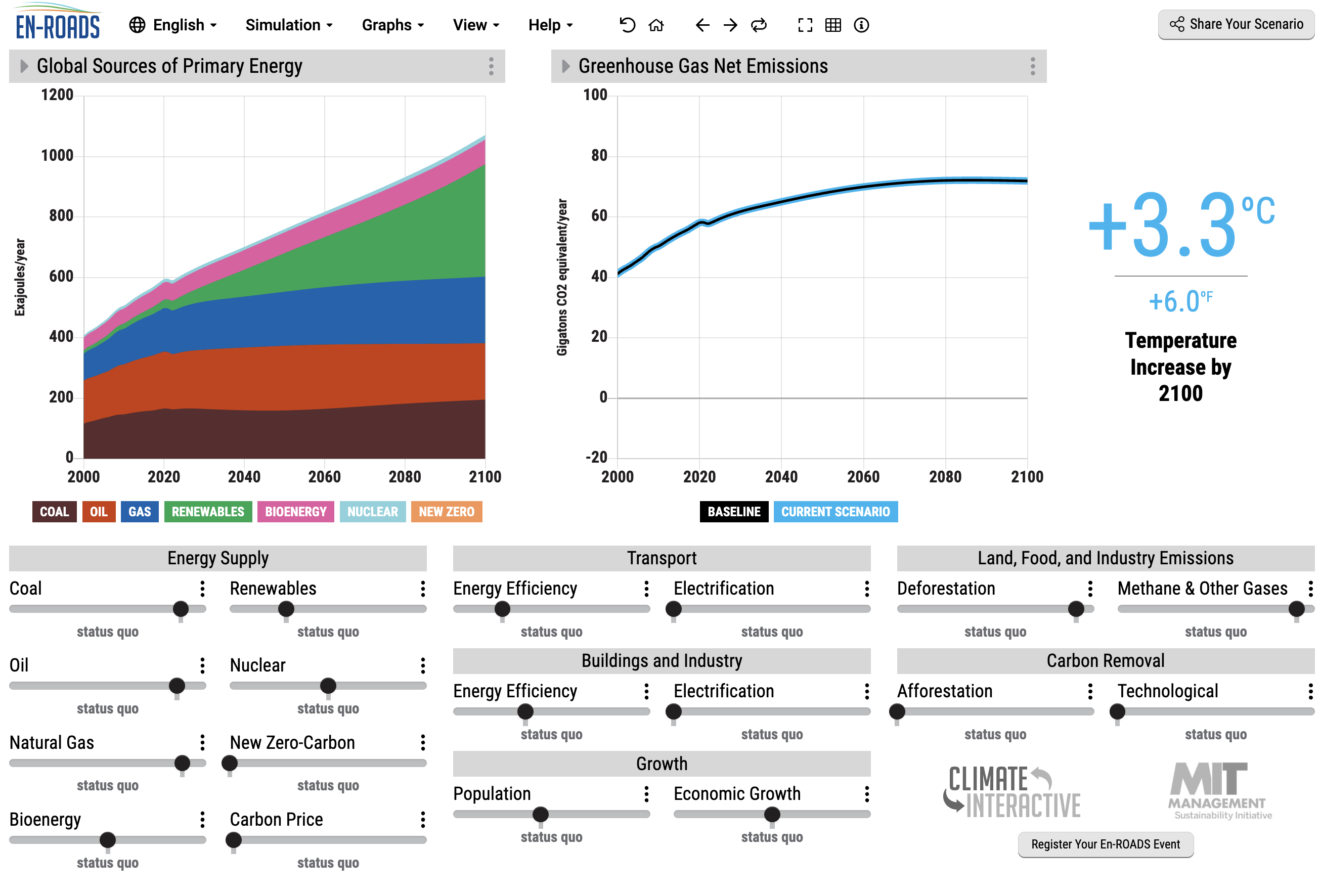
Most people do not have the time or interest to understand the impact of various environmental threats never mind the most effective solutions to them. Global warming is an especially complex environmental problem because of the time scale and gradual increases of green house gases in the atmosphere that come from many different countries. One of the free tools I have used is this relatively easy to use MIT climate simulation called EN-ROADS. Just pick your energy related choice and see the result immediately. After trying many options I found there is no simple solution and it will take many different actions. I suggest trying it, or maybe you find another model, but as an engineer my experience is estimating the impact of an action in such a complex process without a model is just guessing.
Link to EN-ROADS
As an engineer that is involved in the energy transition it was disturbing to hear that only one of 8 republican candidates in the debate on August 23, would even admit that humans have a role in climate change, when this is proven science. Only Nikki Haley would come out to admit this obvious fact. This seems to indicate that many republican voters would only support a candidate that has a position that humans are not responsible for climate change, or maybe these voters just oppose the uncomfortable actions being taken to address the problem. This is at least partly a result of sophisticated efforts by business interests that have actively used various media tools to create false understanding and prolong business models that must ultimately change. It seems clear that lacking a way to remove these problematic green house gases from the air we do need to stop putting them into the air and this impacts many industries. All credible climate models and environmental scientists agree on this. The Intergovernmental Panel on Climate Change (IPCC), is the leading international body for the assessment of climate change. They have concluded that it is extremely likely that human activities caused more than half of the observed increase in global mean surface temperature from 1951 to 2010. Where global temperature is a more complex variable, it is very clear the increase in CO2 is the result of human activity. Prior to the Industrial Revolution, CO2 levels were consistently around 280 parts per million (ppm). By 2023, CO2 levels had reached 420ppm and the concentration is still increasing. This is the highest level of CO2 in the atmosphere in at least 800,000 years. The carbon dioxide concentration on Venus is 96.5% and the temperature is 1357 degrees Fahrenheit. We know that CO2 and other greenhouse gases humans put into the atmosphere are raising our planets temperature.
If you read the UCS report Smoke, Mirrors & Hot Air
https://www.ucsusa.org/resources/smoke-mirrors-hot-air#ucs-report-downloads
you will see that there has been a massive and highly unethical program to create doubt that helps explain why politicians have such concerns for the public opionon
I’ve had personal experience in this as all the PE’s in my state receieved this
The Global Warming Petition Project, also known as the Oregon Petition, is a petition that was started in 1998 by the Oregon Institute of Science and Medicine (OISM). The petition challenges the scientific consensus on climate change and urges the United States government to reject the Kyoto Protocol of 1997 and similar policies.
The petition text reads:
We urge the United States government to reject the global warming agreement that was written in Kyoto, Japan in December, 1997, and any other similar proposals. The proposed limits on greenhouse gases would harm the environment, hinder the advance of science and technology, and damage the health and welfare of mankind.
Engineers like me profited from and built the technology that has caused many environmental problems and the technology to solve global warming exists but there is an urgent need to deploy this new more sustainable technology, reduce the costs, and develop new and better technology. I am a member of IEEE (Institute of Electrical and Electronics Engineers). This organization is certainly acting to find technology that will prevent or mitigate climate change.
Link for IEEE on climate change
IEEE Code of ethics incudes this: “To hold paramount the safety, health, and welfare of the public, to strive to comply with ethical design and sustainable development practices, to protect the privacy of others, and to disclose promptly factors that might endanger the public or the environment:
Link for IEEE Code of Ethics
Within the community of Chemical Engineers there are many new pioneering efforts to develop technology for CCUS, Hydrogen, new battery chemistry and to modify the biggest industrial GHG emitters like Steel, Cement and Ammonia. Much like IEEE, Code # 1 states “Hold paramount the safety, health and welfare of the public and protect the environment in performance of their professional duties.”
Link for AICHE Code of Ethics
In this web page I will help you to better understand the pros and cons of the energy options for electric power, building HVAC, transportation, and industrial energy. I hope you find the technical data presented and the many resource links useful. This information is based on my career experience. I strive to be accurate but if you find errors or think the data is wrong, just E-mail me. There are lots of developments happening and my data can get out of date. I spend a lot of time learning from others, and follow developments in technology, regulations, and market statistics . My relevant experience includes
- As a chemical engineer that worked extensively on the control systems that are used in oil and gas production, transportation, refining and distribution sectors I have hands on international experience with hydrocarbons.
- Worked directly with the control systems for many chemical processes and with nuclear power plants.
- Studied the technical details of industrial accidents including nuclear accidents at Fukushima and Chernobyl.
- Worked for the German wind turbine test company Windtest who are experts at testing wind turbines of all sizes and have the largest land based test site in the world at Grevenbroich Link to Windtest and have attended recent American Clean Power (ACP) conferences on offshore wind.
- Designed and built my own net zero solar house to Passive House standards, I have personal experience on transitioning from hydrocarbons to renewable power.
- Owned and operated electric cars with over 100k miles of experiences since 2018. I have first hand EV and knowledge of the dynamic fast charging network and battery technologies.
- As the chair of the commissioners for the light board this past 7 years, in the small town of Princeton MA I have learned how utilities actually operate, the issues of operating wind, solar, and battery power, and the problems utilities are trying to solve.
- Finally as the Director of Consulting at ARC I have created market studies on grid automation, hydrogen electrolyzers, grid scale batteries, microgrids, operator training simulators for high consequence processes (including nuclear power) and several other energy related market sectors. This work has given me direct access to many of the suppliers, utilities, regulators, and engineers that are involved with electric power generation, transmission, and distribution.
- These collective experiences give me the knowledge and data to evaluate the risks and costs of various energy options better than most. I will say that I am still learning and there is uncertainty how this will unfold with so many technical, economic, and political forces at play.
Also check out my Energy Price Calculator Table for comparing energy costs for different fuel sources at variable efficiency ratings. This can be downloaded as an Excel file or used directly in your web browser. It has many hard to find conversion factors.
My friend Dr Gene Fry is an expert on the science of climate change and he has an interesting web site with lots of climate data and charts. global warming-so what
Energy Options 2023
WELL BEING = ENERGY.
Humans came to appreciate animals to plow fields and as a means to travel. The ability to control fire has great value, even today. As humans are toolmakers we created wind mills to grind grain and water wheels to power factories. Wood and coal steam boilers and steam engines really accelerated the industrial revolution to power trains and make electric power. Oil and gas presented many advantages to coal and we mostly use hydrocarbons to power our farms, buildings, transportation, and industry. Today it is substantially true that we can say:
ENERGY = FOSSIL FUELS .
While we could modify our machinery to remove the sulfur and the nitrous oxides that caused acid rain, reformulate gasoline and diesel to reduce emissions, collect soot, arsenic, and some mercury from coal power plants, it is hard to remove the CO2 and our use of fossil fuels over the past 100 years is the main driver for global warming. Climate change has become especially evident in 2023 with fires, floods, and record high worldwide temperatures. It is a slight exaggeration but effectively:
FOSSIL FUELS = CLIMATE CHANGE.
While most of the world continued to reap the benefits of cheap and convenient fossil fuels we have greenwashed ourselves into kicking the can down the road. This has been a problem that is very hard for our government leaders to solve as there is great political divisions. It is no surprise that politics are difficult because many companies want to protect their business models and with massive infrastructure designed for fossil fuels people became quite attached and reluctant to change. Most economists suggest the most effect way to reduce the greenhouse gas (GHG) emission is to put a price on carbon effectively taxing it and let the market work to shift to new low carbon energy sources. Cap and trade schemes have been less effective and like a carbon tax they would need to be applied worldwide and take into account the embedded emission of products like steel, batteries, and chemicals. This has been politically impossible to do at the federal level, however their have been many effective regulations that are working like direct regulations on utilities to shift to a carbon free power portfolio. Rather than use the carbon tax stick we have been using a carrot approach to reduce the cost of various alternatives. The inflation reduction act of 2022 has made a big difference by giving tax credits for hydrogen, carbon capture and storage (CCS), solar, wind, batteries, EV’s and even nuclear power. Such an approach is quite complex and depending on the specifics it does tend to select the energy technology winners depending on the subsidy level.
WELL BEING = CLEAN ENERGY.
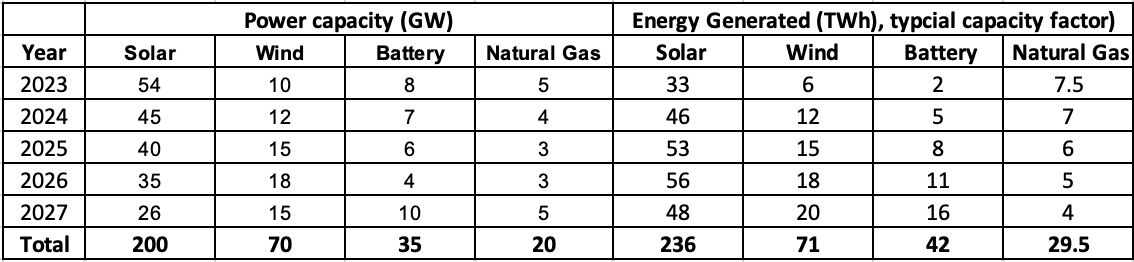
We are at the beginning of the clean energy transition. and have locked in between 1.5 to 2.0 DegC global temperature rises different countries are responding differently and will be impacted differently. Sea level rise will eventually prove hugely expensive for the many low lying coastal cities. In the US we like to criticize China for their emissions. China makes 25% of the worlds electric power and 33% of the worlds CO2 emissions largely due to the massive construction of coal fired power plants over the past decade. At the same time China is leading the world in adding new onshore and offshore wind power, new solar power, and grid energy storage systems. China dominates the manufacture of solar PV and lithium batteries and companies like BYD are poised to dominate the manufacture of electric vehicles. The new generation assets we see over the next five years is shown in the chart below. This chart shows actual energy generated so it takes into account the intermittent renewable operation. Batter storage is growing, and to really make the transitions the cost of power to the consumer must fall and at first this will happen during times on high renewable power output but eventually other mechanisms like battery storage will smooth this out.
The following table summarizes the Energy Information Agency EIA projections of the power capacity to be added to the US grid and the actual electric energy generated for solar, wind, battery, and gas generator additions in the United States over the next five years. The new additions of renewables and the decline in gas power shows there is major movement to decarbonize the power sector. The EIA estimates that the retirement of coal fired generation over the next 5 years will cause a loss of 81 GW of capacity and the loss of electrical energy from coal plant retirements could reach 120 terawatt-hours (TWh) by 2028. This represents about 4% of the total electricity generation in the United States in 2022. No new coal plants are planned. It is relatively hard to build a new coal fired power plant with CCS compared to building a natural gas power plant that can use CCS. There are IRA tax credits that reduce the cost of CCS which does add significant capital costs. CCS plants consume more gas for the same amount of power compared to conventional gas power plants. It should be pointed out the the EIA does not always get projections right. Some energy analysts have criticized EIA for underestimating renewable growth over the past 10 years.
This chart needs work and will be edited
A recent blog post I wrote describes how electrification is unfolding and the need for the grid to make power with much less GHG emissions.
Electrify-everything-using-asset-management-digital-twins
Oil:
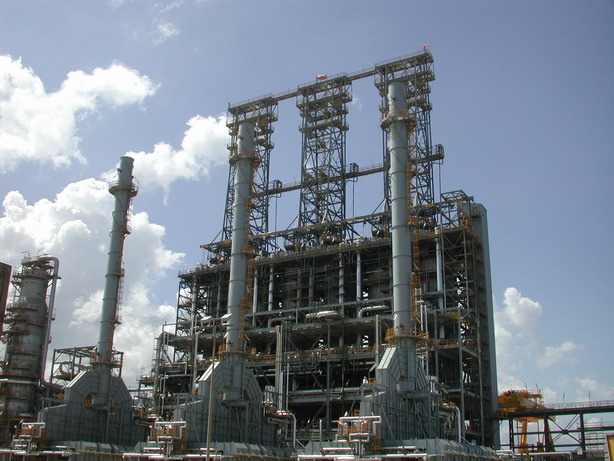
This is Oil: While at Foxboro Company I managed a software development project for Gasoline and Diesel Blending Software that greatly improved the refineries ability to make reformulated transportation fuels. On the right is the delayed coker at Sincor in Venezuela. It thermally cracks heavy oil into diesel boiling range. R2Controls designed and commissioned the controls for this unit.
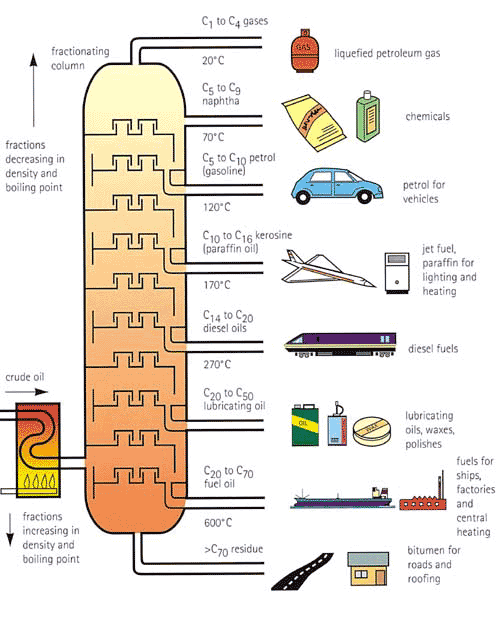
The middle picture shows the various products in a typical oil refinery organized by distillation volatility. It gives a simplified view of what a refinery does, but leaves out the many other reactor systems.
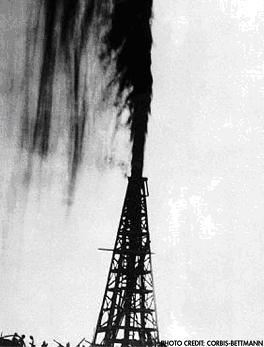
Around the year 2000 we were worried that peak oil would lead to shortages and we would be forced to make a transition. According to the International Energy Agency (IEA), global conventional oil production peaked in 2006 at 85.4 million barrels per day (mb/d). This is a significant decline from the peak of 97.2 mb/d in 2005. However unconventional oil surged and hydrofracking found ways to unlock lots of oil and gas in the US, and heavy oil processing in Canada along with development of many offshore oil fields made sure there was ample oil to meet demand. The dilemma today is that burning all this oil will surely cause massive environmental global warming damage. Our world runs on oil and coal for power, transportation, building HVAC, and industrial processes and today has bee lots of activity offshore, The International Energy Agency (IEA) predicts that global oil demand will peak in 2028 at 105.7 million barrels per day (mb/d). This is a significant decline from the peak of 108.5 mb/d in 2019. It is not like the world did not know about global warming, as this lecture by Carl Sagan in 1985 https://www.youtube.com/watch?v=Wp-WiNXH6hI shows how much we knew and then in 1988 James Hansen testified in the Senate with clear evidence that it is us: https://www.youtube.com/watch?v=UVz67cwmxTM. It is not surprising that even up to today many of the vested interests worldwide, have found ways to delay the transition to clean energy in order to preserve the lucrative business models the fossil fuel industries. This has also been supported by the users of fossil fuels that have invested in vehicles, boilers, furnaces, kilns, and reactor systems that would be expensive to transition to clean energy.
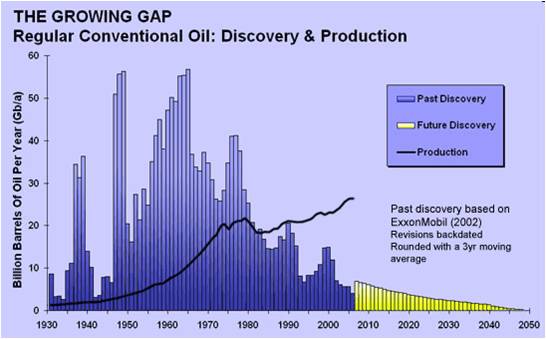
It should be pointed out that it takes a lot of energy and emissions to product the finished products of gasoline and diesel fuels. For example gasoline that is made from a light sweet crude oil may take only 10% of the energy to produce a finished product compared to products made from heavy high sulfur crude oils that require reactors like cokers, cat crackers, hydrocrackers, and then requires extensive hydrotreating to remove the sulfur and needs to be transported long distances. Debbie Gordon and her colleagues at the Rocky Mountain Institute have developed a tool called OCI+
https://ociplus.rmi.org/map
that has data on about 2/3 of the worlds Oil and Gas emissions in the production sector. It includes data on the green house gas emissions of specific oil and gas fields. Some of this data is available from new satellite imagery that can detect methane emissions due to venting, flaring, and leaks.
Natural Gas:
Natural Gas was one of the lowest cost forms of energy for heating your house and found wide spread use generating electric power. Advances in hydrofracking gave the US a big boost in production and today we are exporting lots to Europe as an option to Russian Gas. It has somewhat less CO2 emissions than coal, and was so low in cost it was able to force many coal fired power plants out of business. Natural gas power plants are especially useful on the electric grid. The Stony Brook plant in Ludlow MA is able to start without external power and reach full rated power from a cold start within 10 minutes of being called into service. Gas power plants make it easier for grid operators like ISO New England to adjust power supply to meet demand. The table below compares the emission of natural gas and coal based on the same amount of energy released.
| Fuel |
Carbon dioxide (CO2) emissions per MMBTU of energy |
Sulfur dioxide (SO2) emissions per MMBTU of energy |
Nitrogen oxides (NOx) emissions per MMBTU of energy |
| Natural gas |
117 pounds |
0.001 to 0.002 pounds |
.1 to ,2 pounds |
| Coal |
209 pounds |
1 to 2 pounds |
0.7 to 2.5 pounds |
Natural gas does have another issue that has come to light recently and that is the average amount of natural gas that is leaked into the atmosphere is about 6% of gas production. This means that for every 100 cubic feet of natural gas that is produced, 6 cubic feet are leaked. The IEA estimates that flaring and venting account for about 70% of all natural gas losses, while leakage accounts for the remaining 30%. The problem is that the Global Warming Potential (GWP) of methane over a 20-year period is 84 times that of CO2, while the GWP of methane over a 100-year period is 25 times that of CO2. This means that even if you apply Carbon Capture and Storage (CCS) at the power plant the use of natural gas will continue to damage the environment depending on the amount of leakage during production.
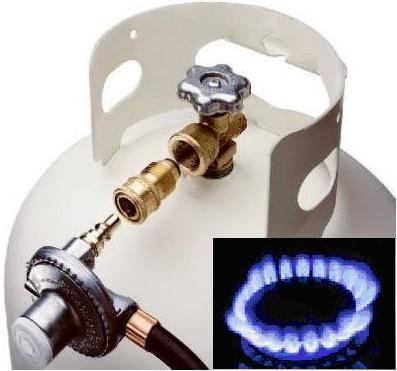
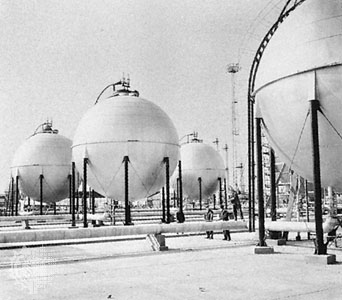
Natural gas has never been the final solution to global warming. It has been considered a transition fuel. Natural gas is often used to make hydrogen and the biggest use of hydrogen is to make ammonia for fertilizer. So called blue hydrogen uses the Steam Methane Reforming (SMR) process to make hydrogen and then uses CCS technology to collect and sequester the CO2. The methane leakage issue mentioned above can overtake the environmental benefits of CCS. Currently there is a massive expansion of hydrogen and CCS projects spurred on the 45Q tax credits that are part of the Investment Recover Act of 2022.
Coal:
This is coal and a typical coal fired power plant. The world has a lot of coal and countries like India and China have recently built many low cost coal fired power plants. Part of their arguments have been: the US used coal power to establish their economy and put lots of the CO2 into the air and they need to have the same ability to build their economy and emit that the US had. The
US and Europe still have coal fired power plants but they have been declining rapidly. Many were replaced with lower cost natural gas, but now low cost solar and wind are starting to drive natural gas off the grid.
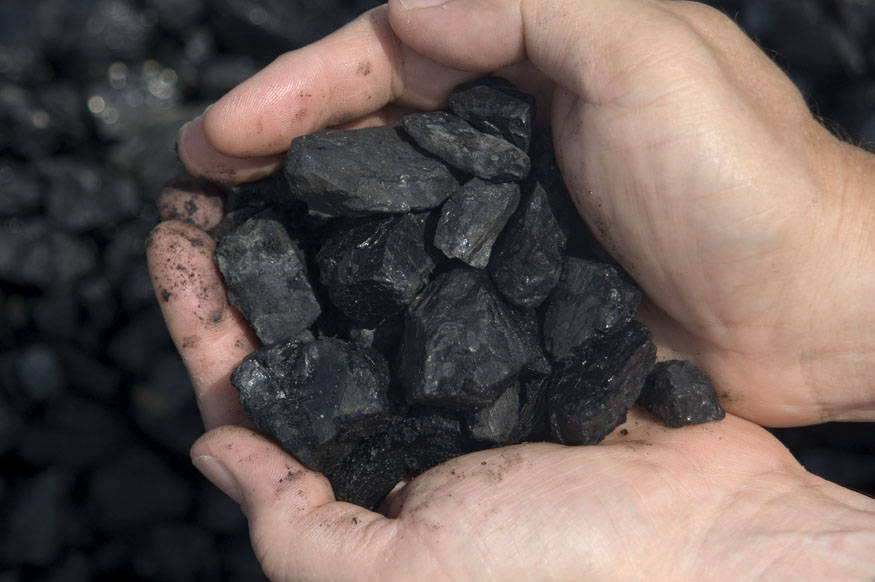 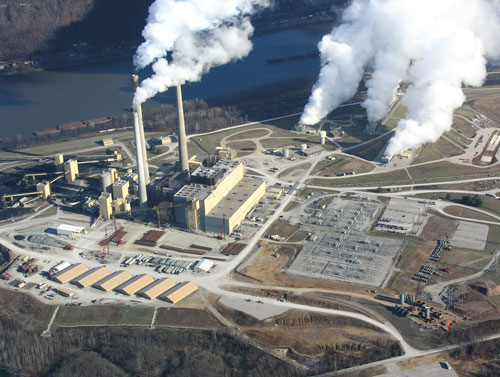
Burning coal for electric power produces a number of harmful emissions, including:
- Carbon dioxide (CO2): CO2 is a greenhouse gas that contributes to climate change. Coal-fired power plants are a major source of CO2 emissions, accounting for about 25% of global CO2 emissions from energy production.
- Nitrogen oxides (NOx): NOx can react with other pollutants in the atmosphere to form smog and acid rain. Coal-fired power plants are a major source of NOx emissions, accounting for about 40% of global NOx emissions from energy production.
- Sulfur dioxide (SO2): SO2 can contribute to acid rain and respiratory problems. Coal-fired power plants are a major source of SO2 emissions, accounting for about 60% of global SO2 emissions from energy production.
- Particulate matter (PM): PM is a mixture of solid particles and liquid droplets that can be inhaled into the lungs. Coal-fired power plants are a major source of PM emissions, accounting for about 20% of global PM emissions from energy production.
- Mercury: Mercury is a toxic metal that can damage the brain and nervous system. Coal-fired power plants are a major source of mercury emissions, accounting for about 40% of global mercury emissions from energy production.
These emissions can have a number of harmful environmental and health impacts, including:
- Climate change: CO2 emissions from coal-fired power plants are a major contributor to climate change. Climate change is already having a number of negative impacts, including more extreme weather events, rising sea levels, and changes in agricultural yields.
- Smog: NOx and PM emissions from coal-fired power plants can contribute to smog formation. Smog can cause respiratory problems, such as asthma and bronchitis, and can also damage crops and forests.
- Acid rain: SO2 emissions from coal-fired power plants can contribute to acid rain. Acid rain can damage lakes and rivers, forests, and buildings.
- Health problems: PM emissions from coal-fired power plants can cause a number of health problems, including respiratory problems, heart disease, and cancer.
Mercury poisoning: Mercury emissions from coal-fired power plants can cause mercury poisoning. Mercury poisoning can damage the brain and nervous system, and can also cause birth defects.
Coal mining is a major source of environmental pollution. The environmental issues associated with coal mining include:
- Water pollution: Coal mining can pollute water supplies through the release of acid mine drainage, which is a mixture of water, sulfuric acid, and heavy metals. Acid mine drainage can contaminate drinking water supplies, harm aquatic life, and damage infrastructure.
- Air pollution: Coal mining can also pollute the air through the release of dust, sulfur dioxide, and nitrogen oxides. These pollutants can cause respiratory problems, smog, and acid rain.
- Land disturbance: Coal mining can also disturb the land, leading to erosion, landslides, and flooding. This can damage wildlife habitat and make it difficult to restore the land.
- Noise pollution: Coal mining can also be a source of noise pollution, which can disrupt wildlife and human activities.
- Hazardous waste: Coal mining can also produce hazardous waste, such as tailings, which are the solid waste materials left over from the mining process. Tailings can contain harmful chemicals and heavy metals, and they can pollute the environment if they are not properly disposed of.
- Social impacts: Coal mining can also have negative social impacts, such as displacing communities and disrupting traditional ways of life.
The environmental impacts of coal mining can vary depending on the type of mining operation, the location of the mine, and the mining practices used. However, all coal mining operations have the potential to pollute the environment and harm human health. While few people burn coal to heat their house, so the decline in coal is mostly felt at those plant sites and mines that are shut down.
Here are some specific examples of new types of power being connected at the sites of shut down coal power plants:
- In 2021, Dominion Energy announced plans to retire two coal-fired power plants in Virginia and replace them with a solar and battery storage project.
- In 2022, Duke Energy announced plans to retire five coal-fired power plants in North Carolina and replace them with a mix of solar, wind, and natural gas.
- In 2023, PacifiCorp announced plans to retire three coal-fired power plants in Oregon and replace them with a mix of solar, wind, and battery storage.
- The Brayton Point Power Station located on a 47-acre site on Mount Hope Bay, near Providence, Rhode Island. is being redeveloped to create a new manufacturing facility for undersea transmission cables that will connect offshore wind turbines to the grid. The facility is expected to create about 200 jobs during construction and 100 permanent jobs once it is operational.
- NuScale Power and Utah Associated Municipal Power Systems (UAMPS) are planning to use an old coal site in Idaho for their Carbon Free Power Project (CFPP).
Hydrogen
We are at the start of a low carbon hydrogen revolution but this is a complex transition and it would be wise to think clearly about how and when this will unfold. Lets start with the many colors of hydrogen
- Green hydrogen is produced from water using renewable electricity, such as solar or wind power. It is the cleanest and most sustainable type of hydrogen production.
- Blue hydrogen is produced from natural gas, but with the carbon dioxide emissions captured and stored underground. It is a potentially cleaner alternative to gray hydrogen depending on methane leaks in the production of natural gas, but it is not as clean as green hydrogen.
- Gray hydrogen is produced from natural gas without carbon capture and storage. It is the most common type of hydrogen production, but it has significant greenhouse gas emissions
- Black hydrogen is produced from coal. It is the dirtiest type of hydrogen production and is not considered a viable option for the future.
- Brown hydrogen is produced from lignite, a type of coal. It is similar to black hydrogen in terms of its environmental impact.
- Turquoise hydrogen is produced from methane pyrolysis. This process breaks down methane into hydrogen and solid carbon. It is a relatively new technology, but it has the potential to be a clean and efficient way to produce hydrogen.
- Pink hydrogen is produced from nuclear power. It is a clean and sustainable way to produce hydrogen, but it is not yet widely available.
My very first impression of hydrogen is “it is a clean energy dense fuel and we know it can work to power the same types of machines that fossil fuels power today. That would include engines, gas turbines, fuel cells to make electric power, boilers to make steam or devices to heat buildings.” Additionally low carbon hydrogen could displace grey hydrogen with major reductions of greenhouse gases (GHG). What is not to like about hydrogen?
My second impression was “oh yeah, hydrogen is only an energy carrier so it needs to be made without GHG emissions of CO2 and methane”. Most of the hydrogen we make today is produced by the steam methane reforming process (SMR) with large methane and CO2 emissions. Our hydrogen options for reduced GHG emissions include so called blue hydrogen which is steam reforming with carbon capture and storage and green hydrogen which is made from electrolysis of water using clean power. Both options have challenges with cost and complexity. On further thought we have no hydrogen distribution system and it is hard to transport hydrogen due to its exceptionally low density and special safety and handling needs. Even if we had a distribution system, the cost of new engines, fuel cells, boilers, and industrial process changes to switch to hydrogen do not exist and this means it will be expensive to make the transition. It would be no small task for refineries or ammonia plants (the main consumers of hydrogen today) to switch to blue or green hydrogen. So, my second impression was Yikes! The challenges look daunting.
My third impression is why are all these companies building out the parts of the hydrogen economy for a market that does not even exist yet? The oil industry is promoting blue hydrogen and dozens of demonstration projects have been built. Sure, there are many government grants, tax breaks, and even oil companies or steel mills building demonstration plants, but most of the industry is sitting on the sidelines as the hydrogen economy is not yet in place. Is all the hype and news reporting of new hydrogen projects justified? or just a short-term fad until the grants stops? The driving force for moving to hydrogen is the urgent need to stop the emissions of GHG as we have all but lost hope to keep global warming below 1.5 DegC by 2100 and even 2.0 DegC is slipping away. The International Energy Agency (IEA),reports that hydrogen produced from fossil fuels is responsible for approximately 830 million tonnes of CO2 emissions per year, which is about 2% of global energy-related CO2 emissions. Methane is also a target for reduction as around 9% of the natural gas used in SMR is typically released as methane emissions during the production process and methane is 85 times more potent as a greenhouse gas. This transition will be driven by government policy and regulations using incentives and penalizing or directly regulating these emissions. To meet our climate goals of net zero by 2050 a hydrogen economy is essential and companies have observed that government policy has been shifting fast to create a low carbon hydrogen market and they will continue with more expansive policies. There is however considerable uncertainty about how this plays out in different regional locations and based on the priorities of a polarized political system in the US. In short low carbon hydrogen is coming, it is inevitable, but the challenge is to understand just how and when production, distribution and end use evolve.
Hydrogen Production.
We have a hydrogen market today, but the production of hydrogen makes a lot of CO2 and it needs to change. Today, 95 percent of hydrogen produced in the world is black, brown, or grey hydrogen sourced from coal, oil, or natural gas. Hydrogen production contributes about 2.2 percent of global GHG emissions. Approximately 2% of hydrogen is produced as a bi-product of chlorine and caustic soda production and 1% by blue hydrogen and only about 0.4% is made from green hydrogen. But green hydrogen projects are growing very fast. About 55% of the hydrogen around the world goes to ammonia production; 25% is used in refining and about 10% is used to produce methanol and the last 10% distributed over many other special uses like generator coolant, rocket fuel, or bottled gases.
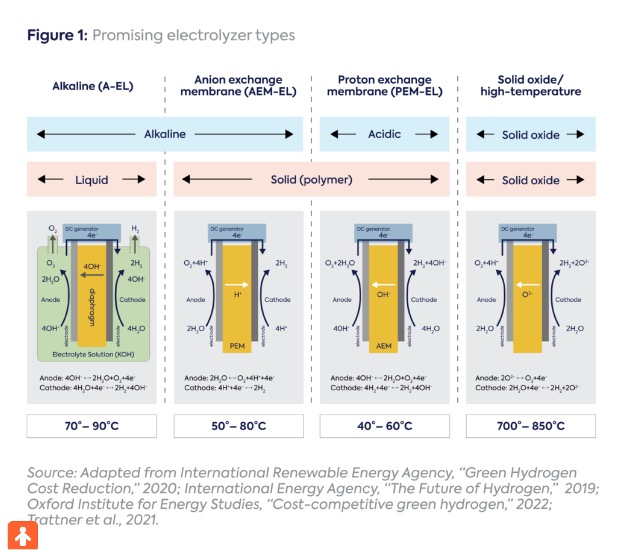
There are fou main types of hydrogen electrolyzers
- Alkaline electrolyzer: Industry incumbent with decades of operating experience; low cost but only pressurized electrolyzers can ramp up and down to match renewable electricity.
- Anion exchange electrolyzer (AEM): Potentially competitive with alkaline on cost; can ramp up with renewables but faces skepticism over degradation rates.
- Proton exchange membrane electrolyzer (PEM): Recently commercialized; ideal for quick ramping up with renewables, but high material costs.
- Solid oxide electrolyzer (SOEC): High-temperature electrolyzer with the highest efficiency potential, well-suited for hard-to-abate industrial processes with waste heat[ can ramp up and down with renewables, but offers lower durability.
Hydrogen Distribution
There are several challenges associated with transporting hydrogen, including:
- Low Energy Density: Hydrogen has a very low energy density compared to other fuels. Compression and liquefaction help but add significant cost and complexity. Moving hydrogen by truck involves a very heavy truck with not much hydrogen. Pipelines work better but few exist today.
- High Flammability: Hydrogen is highly flammable and requires special handling procedures during transportation to prevent accidental ignition. Odorants used for natural gas do not work with hydrogen so they need to have detectors that alarm hydrogen leaks.
- Embrittlement: Hydrogen has been blended into gas pipelines but it does cause embrittlement, and pure hydrogen needs dedicated stainless-steel pipelines that do not exist.
Hydrogen electrolyzers are typically located at the end use site. For example, providing water and power to an electrolyzer at a vehicle filling station or providing an electrolyzer at the steel mill, ammonia plant, or refinery is much lower cost than making hydrogen off site and transporting it.
The machines that will use hydrogen are similar but not identical to the machines that use fossil fuels. Companies that provided bottle gas and tank trucks like Linde and Air Products have emerged as engineering and procurement firms that will build a hydrogen production system at site. For refineries and ammonia plants hydrogen is essential for operation so high reliability is essential and installations are likely to include redundancy and hydrogen storage to insure a continuous supply to the process. Blast furnaces at steel mills can be converted to hydrogen. Cement plants can also use hydrogen for heat but the kiln chemistry (CaCO3 -> CaO + CO2 ) still releases CO2 so additional carbon capture would be needed to further reduce emissions. In combustion with air hydrogen needs a different air to fuel ratio and it burns at higher temperature which increase NOx emissions so equipment designed for methane cannot be used directly for pure hydrogen.
In summary, blue hydrogen does not appear to be an effective way to make low carbon hydrogen due to upstream oil and gas emissions of methane and CO2. Green hydrogen made from low carbon power is the favored technology for the hydrogen economy. Green hydrogen uses a lot of electric power and this power must be low cost and low carbon to be effective for a transition to green hydrogen. Taking power out of the power grid today to make hydrogen is likely to be immediately balanced with hydrocarbons from gas power plants. The power grid is evolving quickly with new wind and solar dominating new power additions to the grid and grid battery deployments are growing very fast. New EPA power plant regulations are due to take hold for coal plants by 2030 and gas power plants by 2035 may make electric power a bit more expensive due to carbon capture and storage (CCUS) being required. Low cost wind and solar with grid energy storage will eventually make power costs much lower, but with more dynamic daily and seasonal price variations. New nuclear power is well suited for making hydrogen and could make a renaissance after 2030. The grid is also looking to update transmission lines to move power from remote generation sites like Quebec hydro and a growing offshore wind industry. In the past electric grids adjusted generation to meet customer demand, but the future will be more demand response driven with customers, like hydrogen electrolyzer sites, consuming power when it is available as time of day pricing is expanding.
Hydrogen cars
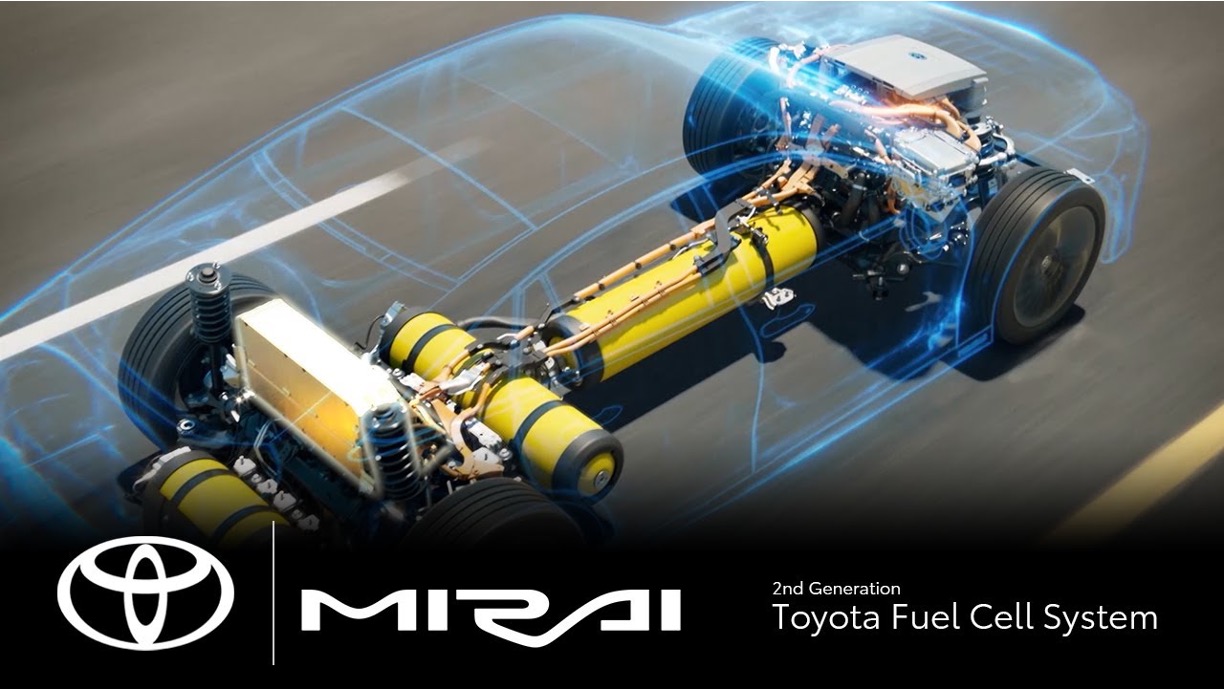
While the Toyota Mirai is a fabulous demonstration of packaging and fuel cell technology, It has great range and acceptable performance with no local emissions. Unfortunately without a low cost hydrogen distribution system hydrogen cars are impractical and cannot compete with EVs. which can be charged at home, In 2022, Toyota sold only 3,900 Mirai vehicles worldwide. This represents a decline of 37% from the previous year.
The Toyota Mirai has two hydrogen tanks with a combined capacity of 5 kilograms. This is enough to give the Mirai a range of about 400 miles (640 kilometers). The Mirai can be refueled in about 5 minutes. The hydrogen pressure is some 70 kilo pascals or 10,000 psi and is known as H70.

Carbon Capture Utilization and Storage (CCUS)
Add new content here
Nuclear: Power
The discussion below is focused on nuclear fission power reactors used to generating electric power or to propel ships. If fusion power gets close to commercial power production I’ll add content for that if I’m still alive, but it is not an option for the next decade or more. My opinions and content is influenced by my project experience testing the Foxboro I/A series DCS control system and Triconex TMR shutdown system for 8 nuclear reactors (Westinghouse AP1000 PWR type) now operating in China. I also have experience with the market for training simulators that are used to train nuclear operators and avoid accidents. As I have been concerned with controls and safety systems I have sought out the details to understand the causes of accidents at nuclear, chemical, oil and gas facilities to see if the control and safety systems were at fault. Nuclear power is a complex business and there are many different fuel cycles and reactor designs. As of May 2023, there are 436 nuclear reactors operating in the world. The United States has the most operating nuclear reactors, with 93, followed by France with 56 and China with 53. Nuclear power currently provides about 10% of the world's electricity. As of June 2023, there are 57 nuclear reactors under construction worldwide. China has the most nuclear reactors under construction, with 21, followed by India with 8. There are 160 nuclear-powered ships in the world as of 2023. Most of them are submarines, but there are also a few nuclear-powered aircraft carriers, icebreakers, and 1 floating nuclear power plant the Russian the Akademik Lomonosov.
To say nuclear power has been influenced by government politics and public opinion is an understatement. The early development of nuclear power was heralded as atoms for peace but nuclear power was developed in parallel to nuclear weapons and military applications. 70% of existing nuclear plant designs are based on designs originally used for nuclear submarine reactors.
https://en.wikipedia.org/wiki/Nuclear_power
Chernobyl and Fukushima
Nuclear Power was making a comeback, but then Fukushima happened. Many operating nuclear power plants have stopped operating for economic, safety, political, or age issues.
If you look at the damage done by accidents in various industries with the possible exception of Bhopal in India, nuclear accidents cause much more damage than accidents at chemical oil or gas facilities. This is due to the cloud of radioactive dust containing cesium and strontium. The half-life of cesium-137 is 30 years, and the half-life of strontium-90 is 29 years. This means that after 30 years, half of the cesium-137 in a sample will have decayed, and after 29 years, half of the strontium-90 in a sample will have decayed. Both of these accidents spread these radioactive contaminants over a wide area forcing massive evacuations and in less contaminated areas people must live with elevated levels of radiation.
The Price-Anderson Nuclear Industries Indemnity Act of 1957 is a United States federal law that provides financial protection to the public in the event of a nuclear accident. The law requires nuclear power plant operators to obtain private insurance for up to $375 million in liability, and it also provides a government backstop of up to $12.5 billion. The cost of cleaning up the Fukushima Daiichi nuclear power plant is estimated to be between $100 billion and $200 billion. Fukushima cleanup in 2023 has 5000 worker per day on site. There are additional costs for people evacuation and property damage from the radioactive dust cloud. The Fukushima Daiichi nuclear disaster in 2011 forced the evacuation of over 160,000 people from their homes. The evacuation zone around the plant was initially set at 20 km, but it was later expanded to 30 km.
The most definitive account of the Fukushima accident that I am aware of is in this book (available on Amazon).
https://www.ucsusa.org/resources/fukushima-story-nuclear-disaster
The leaders of nuclear regulatory agencies are often divided on their position supporting nuclear power. These four leaders issuing the joint statement following the Fukushima accident are not so supportive:
- Dr. Greg Jaczko, former Chairman of the U.S. Nuclear Regulatory Commission, and founder of Maxean, an energy company.
- Prof. Wolfgang Renneberg, a university professor and former Head of the Reactor Safety, Radiation Protection and Nuclear Waste, Federal Environment Ministry, Germany.
- Dr. Bernard Laponche, a French engineer and author, and former Director General, French Agency for Energy Management, former Advisor to French Minister of Environment, Energy and Nuclear Safety.
- Dr. Paul Dorfman, an associate fellow and researcher at the University of Sussex, and former Secretary UK Govt. Committee Examining Radiation Risk from Internal Emitters.
Here’s the text of the statement:
“The climate is running hot. Evolving knowledge of climate sensitivity and polar ice melt-rate makes clear that sea-level rise is ramping, along with destructive storm, storm surge, severe precipitation and flooding, not forgetting wildfire. With mounting concern and recognition over the speed and pace of the low carbon energy transition that’s needed, nuclear has been reframed as a partial response to the threat of global heating. But at the heart of this are questions about whether nuclear could help with the climate crisis, whether nuclear is economically viable, what are the consequences of nuclear accidents, what to do with the waste, and whether there’s a place for nuclear within the swiftly expanding renewable energy evolution.
“As key experts who have worked on the front-line of the nuclear issue, we’ve all involved at the highest governmental nuclear regulatory and radiation protection levels in the US, Germany, France and UK. In this context, we consider it our collective responsibility to comment on the main issue: Whether nuclear could play a significant role as a strategy against climate change.
“The central message, repeated again and again, that a new generation of nuclear will be clean, safe, smart and cheap, is fiction. The reality is nuclear is neither clean, safe or smart; but a very complex technology with the potential to cause significant harm. Nuclear isn’t cheap, but extremely costly. Perhaps most importantly nuclear is just not part of any feasible strategy that could counter climate change. To make a relevant contribution to global power generation, up to more than ten thousand new reactors would be required, depending on reactor design.”
In short, nuclear as strategy against climate change is:
- Too costly in absolute terms to make a relevant contribution to global power production
- More expensive than renewable energy in terms of energy production and CO2 mitigation, even taking into account costs of grid management tools like energy storage associated with renewables rollout.
- Too costly and risky for financial market investment, and therefore dependent on very large public subsidies and loan guarantees.
- Unsustainable due to the unresolved problem of very long-lived radioactive waste.
- Financially unsustainable as no economic institution is prepared to insure against the full potential cost, environmental and human impacts of accidental radiation release – with the majority of those very significant costs being borne by the public.
- Militarily hazardous since newly promoted reactor designs increase the risk of nuclear weapons proliferation.
- Inherently risky due to unavoidable cascading accidents from human error, internal faults, and external impacts; vulnerability to climate-driven sea-level rise, storm, storm surge, inundation and flooding hazard, resulting in international economic impacts.
- Subject to too many unresolved technical and safety problems associated with newer unproven concepts, including ‘Advanced’ and Small Modular Reactors (SMRs).
- Too unwieldy and complex to create an efficient industrial regime for reactor construction and operation processes within the intended build-time and scope needed for climate change mitigation.
- Nuclear Power is unlikely to make a relevant contribution to necessary climate change mitigation needed by the 2030’s due to nuclear’s impracticably lengthy development and construction time-lines, and the overwhelming construction costs of the very great volume of reactors that would be needed to make a difference.
One other item that I will add is that nuclear power plants are a military target. Ukrainian power plants have been lightly bombed without significant damage and occupied in a way that critical operating personnel have been prevented from following their normal shifts. Nearly all the current reactors (BWR and PWR) require active cooling of fuel rods using pumps when the reactor is shutdown. This is why a total station blackout is an issue and requires backup diesel power to keep the plant safe. Many new reactor designs are walk away safe and do not rely on active pumps and only rely on natural convection to keep the fuel rods cool during a shutdown. The next section discusses these new reactor designs.
SMR and Advanced Reactors
The Department of Energy (DOE) defines Generation IV nuclear reactors as "novel nuclear reactor designs that offer potential for significant improvements in economics, safety, and sustainability over current light water reactors." This will include most new SMR reactor designs as well as the advanced reactors mentioned below. The DOE is supporting the development of Generation IV reactors through its Advanced Reactor Concepts (ARC) program. The ARC program is funding research and development projects on a variety of Generation IV reactor designs. The six advanced reactors in the section below is from the generation 4 road map and includes:
- Gas-cooled Fast Reactor (GFR),
- Lead-cooled Fast Reactor (LFR),
- Molten Salt Reactor (MSR), S
- Supercritical Water-cooled Reactor (SCWR),
- Sodium-cooled Fast Reactor (SFR)
- Very High Temperature Reactor (VHTR).
https://www.gen-4.org/gif/jcms/c_9352/technology-roadmap
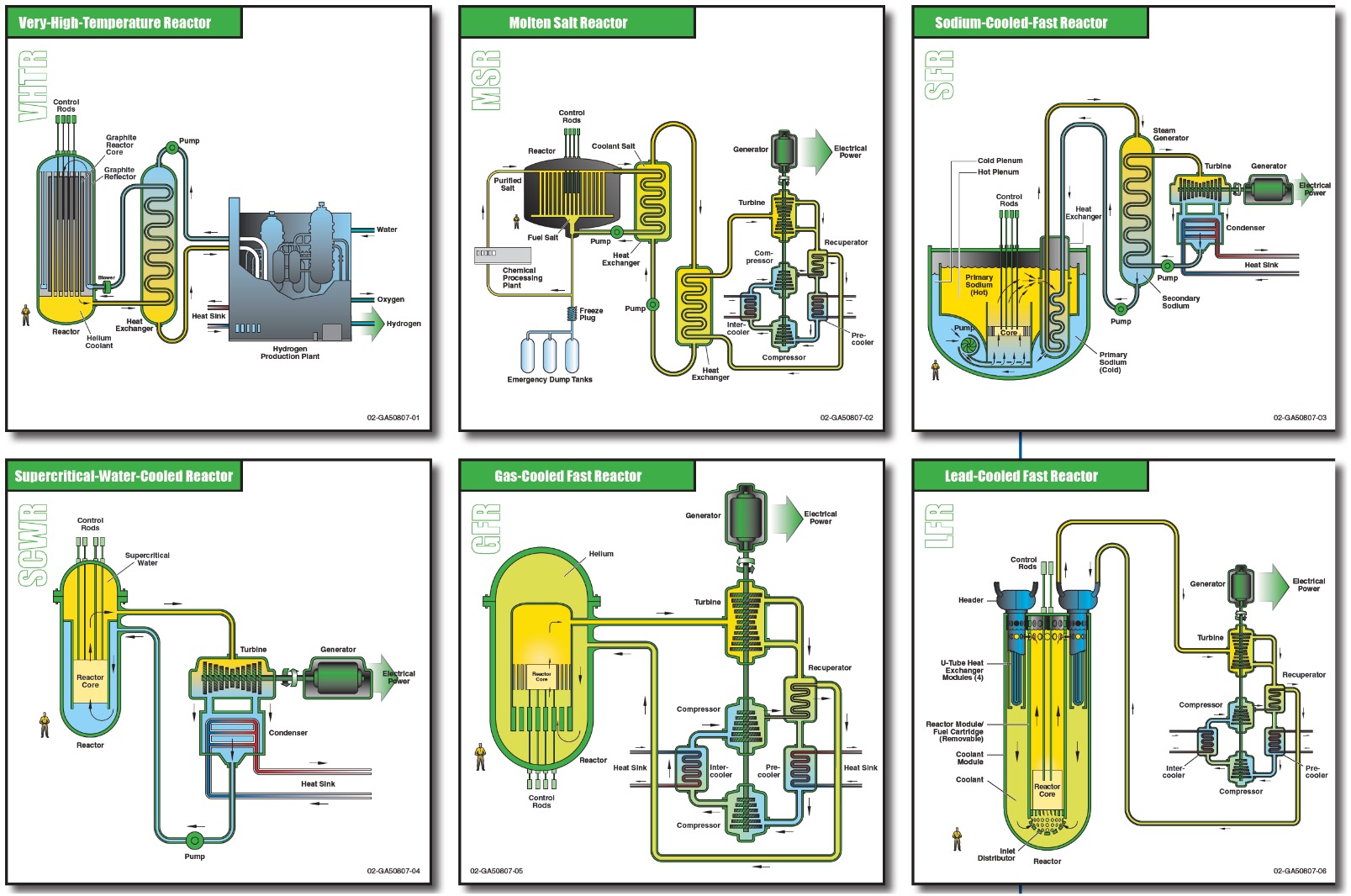 There are many companies that are working on new reactor designs that are attempting to overcome the economic and safety concerns. Will advanced nuclear reactors overcome public opposition and create a nuclear renaissance?
Last year I had Bob Hoehn from - NuScale make a 20-minute presentation on their reactor design in a session on “the future of electric power” that I organized and moderated as part of my work with www.arcweb.com . Of all the new SMR designs, the NuScale design is the furthest along with NRC certifications, does not require highly enriched uranium, and uses natural convection without any operator actions required and unlimited cooling time.
https://www.youtube.com/watch?v=7pwgztZ_Egc
Earlier this year I had Mike Dunevant from TerraPower make a presentation about their reactor system. This is a reactor that is supported by Bill Gates, but it is a more complex sodium cooled fast reactor.
https://www.youtube.com/watch?v=R3VbhEKkTX4

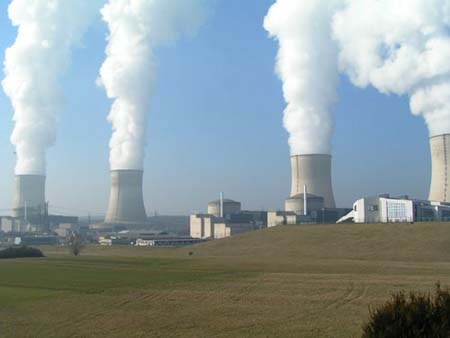
The utility grid and transmission operators love the steady base load operating characteristics of nuclear power, which is much easier to manage than intermittent solar and wind power. New SMR designs have improved load following capabilities, and some are heating molten salts that can be used to produce more power during the evening peak loads when power tends to be more expensive. These characteristic make renewable power easier to manage. The Vogtle Electric Generating Plant Unit 3 in Georgia began commercial operation in April 2023, seven years late and $16 billion over budget. The plant was originally projected to cost $14 billion and be completed in 2017. The history of delays and cost overruns remains a concern for utilities that might want to invest in new nuclear projects.
Hydro-electric Power:
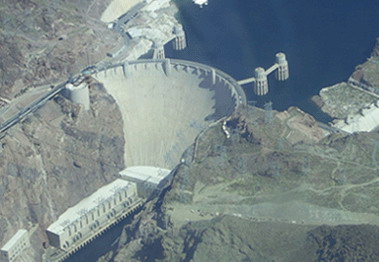
Hydro power is great from a CO2 and energy efficiency perspective; As no fuel is consumed Hydro power is typically very cost effective. Hydro provides roughly 10% of our current electric power, but unfortunately we cannot rely on Hydro power for much additional expansion as most, but not all, hydro sites have already been developed. Dams do disrupt fish migration, flood land area, and disrupt the natural cycles of water flow, but overall these problems are small compared to the alternatives.
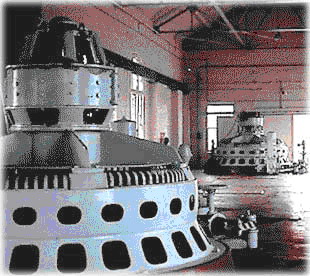
Bio Fuels:
Using the Sun for creation of biofuels has many possibilities. The term Biofuels, as currently used, only describes a small subset of Solar driven biological processes. The sun is the source of energy driving most (but not all) of the biological cycles that maintain life on earth.
The major biological cycles of matter are: Carbon Cycle, Nitrogen Cycle, Phosphorus Cycle and Water Cycle
These complex cyclic engines move mass into and out of living things and allow humans to consume calories and carry on with life. More detailed biological cycles are at work in living things to create chemical energy in the form of Sugars, Starches, Carbohydrates, Proteins, and the energy workhorse ATP. in the "Krebs cycle" and the "Citric acid cycle". At a fundamental level many of our industrial energy processes are not cyclic and not sustainable, as they depend on digging a resource out to the ground extracting the useful materials and energy and creating various byproducts like CO2, SOx, NOx, soot, ash, municipal wastes, industrial wastes, nuclear wastes, and military wastes.
It does not appear that biofuels can be produced in the quantities required to replace our current hydrocarbon consumption. It has been estimated that using available know-how, that biofuels might be able to provide about 30% of our current liquid fuel consumption. Lets take an example to illustrate. Suppose we use the classic "Energy Balance" to roughly compare the land required to propel a biofueled car vs. the land required to propel a photovoltaic powered solar electric car.
Biofuel Car:
~5% Sunlight --> cellulosic energy
50% loss for fertilizer & fuels
50% cellulosic energy is converted to liquid fuel energy
25% conversion to work in a modern car engine
.05*.5*.5*.5*.25*100 = 0.156 percent of the Sunlight is available to push the vehicle
Photovoltaic Electric Car:
12% sunlight converted to DC power
85% efficient DC power to the Grid
70% efficient Grid to Batteries
80% efficient Batteries to work
0.12*.85*.7*.8*100 = 5.7 percent of the Sunlight is available to push the vehicle
It's no contest, the Solar electric car wins hands down. It takes roughly 38 acres of Biofuel farmland to produce the fuel to propel a biofueled car the same distance as the same sized electric car charged from 1 acre of solar photovoltaic desert.
Keep in mind this is only the energy balance and many other factors are involved. The technology of Solar electric and the mass production of electric vehicles is not so well developed as Biofuel infrastructure. Recent advances in Algae farming to make Fuel could improve the energy balance of biofuels.
It is interesting to note that the EPA departed from the science based regulation of transportation fuels when they mandated 10% Ethanol in gasoline. Previous to that each gasoline quality regulation had a scientific basis to have a net reduction per the 1990 Clean Air act, i.e. Tetra Ethyl Lead, Sulfur, CO, and unburned hydrocarbons. The MTBE debacle points out that we cannot always predict problem regulations create and that we are still learning how to use liquid fuels and keep a clean environment.
There is a lot of discussion and research in the area of Biofuels, genetic plant engineering, improved farming yields, sustainable farming methods, BioChar, soil preservation, Ocean farming and fish management, and many other very important topics that will determine the maximum number of people the earth can support.
Solar Power:
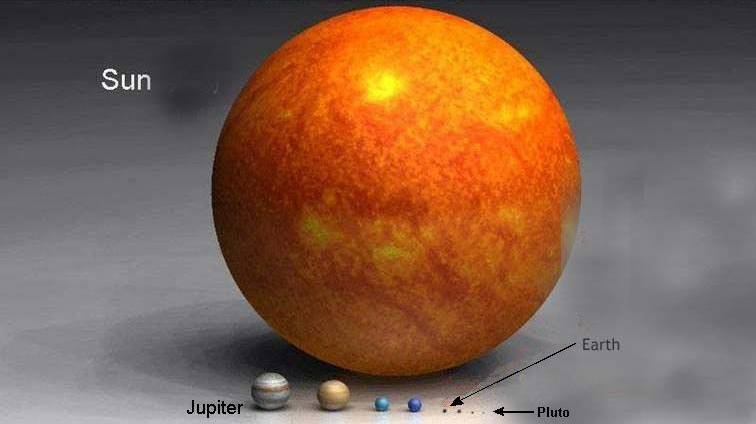
Solar energy is our main long term option. We have explored enough of the neighborhood to know that the planet Earth is the only decent real estate likely to support any quantity of frail humans. The Sun should be around for a few billion years but even the most bold futurist might find it hard to predict how life on earth will evolve over that timescale. Solar power has the potential to provide all of our power needs. So far it has not been as convenient (as easy to make it work) as exploiting the stored energy in coal, oil, gas, and Uranium. The sunlight hitting the earth in less than 10 minutes could supply all of the world’s current electric power for 1 year if it could only be captured and used cheaply and efficiently. The amount of Sunlight energy that hits 1 acre in Arizona on an average day is equal to about $4000 of electrical energy @ $0.15 per Kw-Hr. Orbiting solar generators have been proposed and solar energy does power most of our satellites and the space station too. On a clear day the solar flux is about 1000 Watts per square meter at the earths surface. That is basically the energy of a hair drier every 3 feet. Compared to biofuels, solar electric power would use a relatively small amount of land (or ocean) area. The sunniest places are generally in dry regions that do not compete with farming. Photovoltaic cells and solar thermal engines can be used to generate electricity, but currently the cost is higher than most of the alternatives. We are finally starting to do a small amount of basic research in the area of solar technology and there has been some progress in developing more efficient solar cells, heat engines, and related technology. Generally solar electric approaches trail wind as a cheap source of renewable electric power, but that could change if solar cell cost and efficiency are both improved as a result of research breakthroughs.
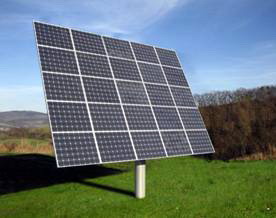
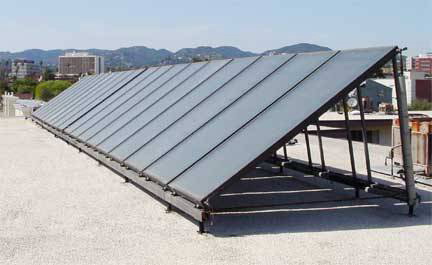
The best we can tell is that the Sun has been around for a long time and looks like it will stay running for a very long time to come..
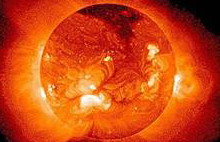

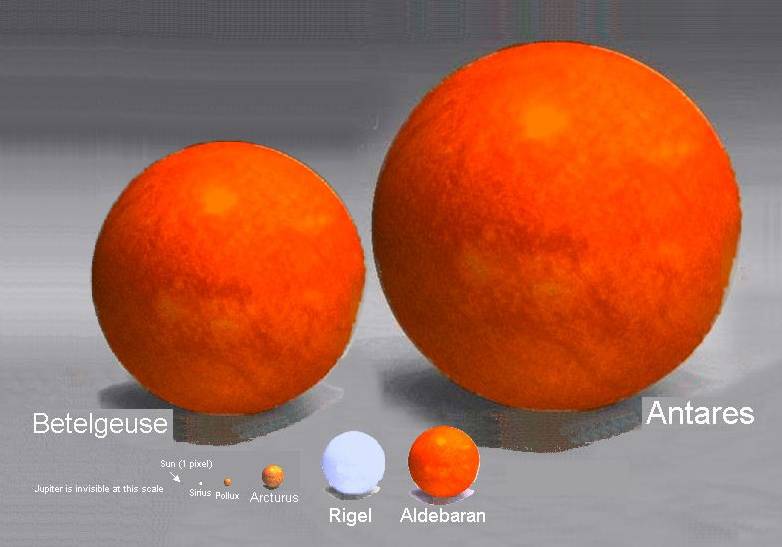
We should be happy that our sun is not too small or too large. If our sun were as large as some stars, it would extend past Saturn! Our sun is barely a single pixel compared to the much larger star Antares. As we look into sky we have observed incredible releases of energy that we are struggling to explain such as Super Novas and Quasars. One quasar's luminosity is estimated at about 2 trillion (2 × 10¹²) times that of our sun, or about 100 times that of the total light output of average giant galaxies like our Milky Way. Now that could power a lot of hair driers!
Solar Thermal Power
Solar Thermal Power is the use of solar heating power as opposed to photovoltaic (PV) solar power. Mirrors are used to focus light energy onto a single point much like a giant magnifying glass.
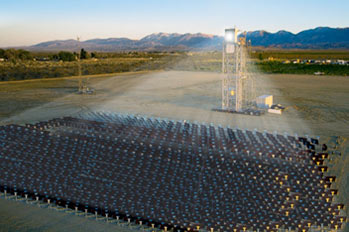
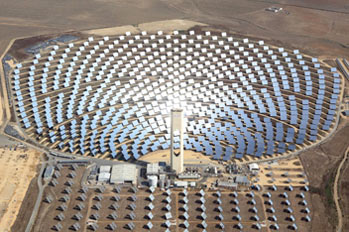
The mirrors are usually focused on a boiler aparatus covered in a highly absorbant material. The boiler heats up producing steam which is then use to power anything you want to attach, such as a turbine, etc.
Wind Power:
US Wind energy resources could in principle power more than 200% of our US electric power grid. Denmark currently gets over 20% of their electric power from Wind energy. Careful site selection and new turbine technologies are making wind competitive with Coal fired generation when the cost of Cap and Trade for CO2 emissions is considered. Coupled with grid energy storage like "pumped hydro power" or CAES (Compressed Air Energy Storage) Gas Turbine Power Plants, wind can be made to be "dispatchable". Smart Grid technology will also make it easier to put intermittent generators like solar and wind onto the grid, reducing the costs for new transmission lines.
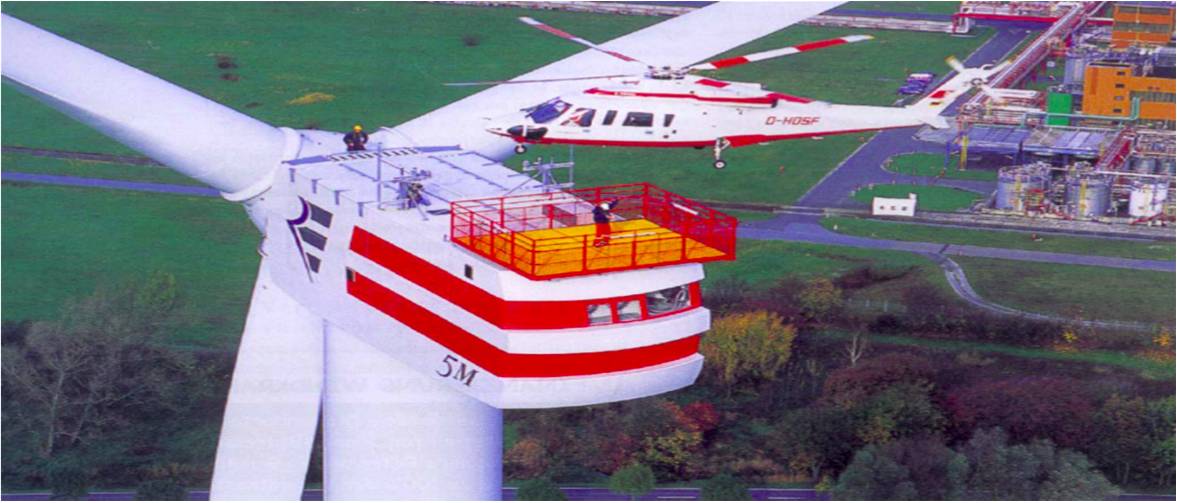
For the best scientific data and information on wind energy, nobody has done a better job than the Germans.
Check out the world's #1 premier company in Wind Energy Technology:
http://www.windtest-nrw.de/
Resource Materials:
These 2 Documents below are all the hard scientific data on wind, from the world's leading professionals.
These guys know what they are talking about. (Shared for educational purposes only) Do not copy, alter, or distribute!
Wind Physics (Power Point) - The Physics of Wind Technology, Equations, etc.
Wind Technology Aspects (Power Point)
Wood:
Wood energy is our most traditional biofuel. Wood is mostly carbon, and the energy content of that carbon came from the sun via photosynthesis and the carbon mostly came from the air.
The amount of standing carbon in the worlds forests is quite massive. Forests are great but management is needed, to prevent over forestation, especially as oil prices rise.
In northern Russia and Siberia, wood is burned for heat in order to survive the most brutal winters. Brick or stone fireplaces are often used.



Geothermal:
Geothermal energy is heat escaping from the center of the Earth. This heat is mostly from naturally occurring nuclear reactions, so if you think about it we are basically sitting on a Nuclear Pile. It is certainly possible to generate electric power as molten rock (lava) can easily make high pressure steam capable of running a generator. The 2006 MIT study on Geothermal Power claims the technically extractable portion of this energy is some 2000 times our present energy consumption.
http://web.mit.edu/erc/spotlights/underground_heat.html
EGS technology calls for drilling a well down to the hot rock and then injecting water forcefully enough to open up tiny fractures in the rock and extend them horizontally away from the well. A series of injection and production wells are then drilled into the region of fractured rock. Water sent down the injection wells sweeps through the hot fractured rock and back up the production wells, providing large quantities of hot water or steam to run electric generators at the surface. One of the operation issues is that industrial boilers go to great effort to purify and treat the boiler feed water. Steam direct from the ground will almost certainly contain lots of minerals that will leave deposits, so there are a few maintenance issues. It is hard to imagine a practical heat exchanger to make steam from water with the heat gained from lava flow. There are a number of successful projects, and there is a lot of potential.
We have 2 big energy problems.
Problem #1 The world is running out of Oil
The price of oil hit over $125 per barrel in 2008 but has fallen considerably in 2009 as a worldwide recession reduced demand. The price elasticity of Oil can be seen from the experience of Hurricane Katrina.
We cut back about 5% as a result of gasoline going up to almost $4.00 per gallon. Europeans have had higher fuel prices and they have adapted to use less than 50% of the energy of Americans.
Our US dependence of imported oil is a significant vulnerability to our economy. It is said that "discontent is the mother of invention".
Discontent is arriving for some, but will arrive for many more when the supply of oil falls and the price wars begin.
The estimates for peak oil vary somewhat as many production companies keep this information close to the vest
and some have misstated their proven reserves to improve the perception of future profit potential.
On the other hand new well technologies and an unexpected recovery of production in older wells has pushed the peak further in the future.
Best I can make of it is that peak oil will be reached by between 2010 - 2018. As we go forward, there will be less crude oil entering our oil refineries,
and less finished products leaving them. More refineries will be closing. Living standards in Asia and South America are approaching those of the US and
worldwide demand for oil has put us in a fierce global competition for a declining resource.
http://en.wikipedia.org/wiki/Peak_oil
M. King Hubbert was a Shell geologist. He was branded an alarmist in 1956 for predicting US oil production would peak in 1965-1970. 15 years later he became a legend, when he was proven correct when US production peaked much as he predicted. He used a bell shaped model to predict the production of oil wells over their lifespan. Oil production in the US peaked in ~1970 and has been declining ever since. Drilling for oil in our national parks and coastal fisheries will not make a significant change in the date for global peak oil. This activity is mostly a grab for small amounts of remaining black gold. Promises of large oil resources in these areas are not born out by the geology data from hundreds of thousands of oil wells. We can see the upcoming supply problems and we are better off to start making transitions now. It will take some very significant changes to our lifestyle to cut our addiction. Many people seem paralyzed into inaction and continue to consume and import oil as if it will never end. This problem is not unlike the Whale Oil industry about 100 years ago, except back then, we had mineral oil to save us, and we did not have problem #2: Global Warming. We can still have a warm house, a vehicle to get to work and play, and power to run our wonderful machines and electronic devices, but we need to choose our new equipment and lifestyles carefully as energy consumption and liquid fuels especially, will become increasingly expensive. The hydrocarbon price increases in the spring of 2008 are not temporary; they will seem like a bargain in just a few years.
Problem #2 Global Warming
So called anthropogenic (Human generated) CO2 is small compared to naturally generated CO2, but we have steadily produced CO2 and clearly have increased the inventory of CO2 in the atmosphere. At the same time we have cut and burned forests that act to consume CO2.
Earths CO2 concentrations have been steadily rising from 270ppm to our current 385ppm(2009). We have observed that the Earths average temperature has risen about 0.7 oC during this same time. We have observed clear signs that our climate is changing especially with the warming at the poles.
Many countries have subscribed to a goal of limiting the global temperature rise to 2 oC to avoid negative affects on weather, rainfall, sea level, and various ecosystems.
Now I have modeled a lot of processes myself, but nothing remotely as complex as our entire planet. When it comes to models we have a saying: “All models are wrong, some are useful”.
Atmospheric models will have errors and will not be perfect.
Modeling the earths temperature is particularly difficult.
Even though climate models are not perfect, we must use them for making predictions, or else we are guessing. It may be that mankind eventually can control our planets temperature. It may be that we would benefit by being a little warmer, but we could really wreck the place if we let our temperature get out of control. Before you develop a control scheme you always need to focus on understanding the process.
If our goal is to regulate temperature we must understand all of the variables that impact temperature and identify the load upsets to the process.
The obvious manipulated variable is to reduce CO2 emissions, but this is rather hard to do as much of our economy is based on consuming them. Another option is geoengineering and there are many ideas for this. So how can we judge the effectiveness of any proposed control strategy? The best way to judge is to use the climate models to see the magnitude and dynamic response of any proposed action. Our current CO2 concentration is not a reasoned result of us controlling our environment, but only the byproduct of our growing population and massive consumption of available resources.
See The R2Controls page on Global Climate Change (Global Warming) for more details on this important subject.
Compute your own CO2 footprint on this EPA web page:
http://www.epa.gov/climatechange/emissions/ind_calculator.html
The human race is a victim of their (our) own success. We now have only 6 acres of land per person. Some of our economists tend to ignore the Law of conservation of Mass and Energy at our peril. We rate the strength of our economy based on how fast we dig out of acre 1 and make waste dumps on acre 6. Faster would appear to be better. We have run out of new frontiers and there is no place like Earth in our solar system to expand to, and the next closest sun is very, very far away.
Bacteria would simply consume all of its resources and die in its own waste. If humans are smarter than bacteria, they better start acting like it. It does not have to be like this. We need to quickly transition to a sustainable long term energy system, and focus the creative energy of scientists, engineers, blue & white collar workers, farmers and others on transforming our industries, businesses, and communities.
Some of our corporate leaders and business managers often find it easier to lobby our government to avoid change and competition, than to transform their business to serve societies real needs. Few companies today would act the way DuPont managers did when they became aware of the Ozone depleting effects of Freon. DuPont managers closed down the business, found alternatives, and transformed the business segment. These actions have clearly made improvements to preserve our protective ozone. Actual ozone levels while still somewhat low appear to have bottomed out since about 1995. Unlike a relatively diversified DuPont, the Oil business tends to be purely hydrocarbons, so it is hard for them to support a transition away from carbon. Oil companies make products we love and are part of the solutions, but it will take changes in many areas to achieve a sustainable energy infrastructure. At one time oil companies had massive research and development to develop oil production and refining technology. Exxon had Florum Park and Mobil had Princeton. In the 80's we cut back on research and focused on low cost production.
Perhaps it is time spend money on research for a new energy infrastructure.
Some other useful links are:
Energy sources and destinations:
http://www.eia.doe.gov/emeu/aer/pdf/pages/sec1_3.pdf
Download the Mckinsey report - a comprehensive set of plans to keep global temperature rise to 2 oC
http://www.mckinsey.com/clientservice/ccsi/pathways_low_carbon_economy.asp
I hope that every Scientist, Engineer, and Business manager, is upholding their own responsibility and code of Ethics (AICHE).
Hold paramount the safety, health and welfare of the public and protect the environment in performance of their professional duties.
CO2 is now regarded as a pollutant, and the EPA has the technically and politically difficult assignment to control the CO2 concentration.
A friend asked me, if you were in charge of solving this problem, what would you do? This is a great question for an engineer. Here are the answers of this engineer. Luckily I am not a Politician that would need to sell these solutions to the public, as it is clear that these solutions would be politically difficult, even if they are the right medicine for the ailment.
Here are 10 things I would do:
- As the US and China are the largest CO2 emitters it is key to work with China to take a leadership role for international agreements (like the Copenhagen and Kyoto accords) on controlling our climate. I think the goal of limiting global temperature rise to 2oC seems reasonable and should be the basis for action. The specific targets for CO2 emission reductions and geoengineering actions should be based on model predictions that show these actions will be effective to meet the 2 oC goal.
- To meet CO2 emission targets economists would recommend a "Carbon Tax" rather than "Cap and Trade" system. Cap and Trade systems risk abuse and corruption. I think the "Carbon Tax" will be fairer and more effective. "Cap and Trade" markets encourage investor speculation, and this does not encourage the correct actions so directly as a carbon tax.. Establish the measuring systems to tax all CO2 going into the air at a uniform rate in $ per ton of CO2. I.e. Tax gasoline, diesel, coal, natural gas, firewood, wood pellets, Biofuels, and forest burning, based on the CO2 emissions. Plan the tax rate starting at a low rate at first until the monitoring and tax collection systems are functional. Provide a tax planning trajectory to allow businesses to plan for future tax increases to allow time for business transitions. The free market forces will act to allow the most effective solutions to prevail. Use the tax money for research and incentives to help us transition off of Carbon and to help those people and businesses most adversely impacted by such taxes to make adjustments.
- Pay US landowners, farmers, or entrepreneurs to remove CO2 from the atmosphere. It will be challenging to document the amount of CO2 removal in order to pay in $ per ton of CO2. We know that consumers will respond to higher prices by conserving and innovating. The standing carbon content of forests needs to be managed. We especially need to encourage the preservation of the tropical rain forests, as they remove a proportionally much greater amount of CO2 than our temperate forests, roughly 3 times the amount. All imported rain forest products must be certified as sustainably produced. Some of the CO2 tax collections should be used to help countries like Brazil and Indonesia to preserve their forests. Some tax money should go to poorer countries that need help to make a contribution.
- Offer consistent long term tax credits to encourage companies to expand research and development for constructing a sustainable economy. For example this would be for R&D involving energy production, solar power, wind power, carbon capture, trains, planes, vehicles, control systems, power distribution, efficient machinery, efficient buildings, batteries, nuclear power, sustainable soil management, biofuels, geoengineering. Where large State or Federal projects are involved fund design competitions to encourage new and improved technology and to find the most efficient sustainable path forward.
- As the EPA has authority to regulate CO2 as a pollutant, they should be involved in adjusting the CO2 tax and making sure there are no loopholes that would prevent us from achieving the 2 oC temperature rise target. The EPA has been on a path of regulating fuel economy directly. I think they should focus on the CO2 tax, as this naturally penalizes large and inefficient vehicles. I think the free market can work more efficiently than government agencies deciding which technology is best. The combination of peak oil and carbon taxes will surely raise the cost of liquid fuels. The free market will likely come up with durable and safe 100+mpg vehicles and greatly improved transport systems. From a thermodynamic point of view moving people has a very low efficiency. Why is the marketplace missing the 1000 lb vehicle?
After standing in line to pay $10 per gallon for fuel, when the cursing is done, I will bet on the success of the simple concept of the "Loremo" (~120 mpg):
http://evolution.loremo.com/content/view/13/47/lang,en/
Or maybe an established sales channel like VW will win with the ~150+ mpg of the "L1":
http://www.wired.com/autopia/2009/09/volkswagen-l1-concept/
- We may need to take a second look at Nuclear Fission reactors to get us over the hump. These reactors can provide a massive base load to the power grid and complement intermittent renewable sources. Once we get the CO2 footprint for electrical generation down to a small fraction of its current footprint, then market forces will encourage electric and perhaps hydrogen cars with a low overall CO2 footprint. It may take some government support working with industrial organizations to standardize battery designs and Hydrogen refueling infrastructure. Our grid system needs to connect the 3 main US grids to provide stability for renewables. SmartGrid is a key way to help stabilize the grid and reduce the total investments required. Licensing such refueling stations to insure safety and conformity with standards will go a long way to insure the technology is efficiently deployed.
- We need a large educational and promotional effort to convince our country and the rest of the world to act on the moral equivalent of war. I would encourage NASCAR and Formula 1, to instigate new programs where cars will be gradually limited to a small fraction of their current fuel consumption, so that the competition rewards fuel efficient cars and driving strategies. This could lead to major improvements in engines, drive trains, and fuels. We need to encourage a new model of cool cars so that Motor Trend, Road and Track, etc. are helping to make us feed good about 100 mpg cars and not just the latest 500HP Corvette. Note that my list of 10 action items does not preclude fast sports cars, but will make it expensive to drive them a lot if they are inefficient.
- Fund Nuclear Fusion research and development at a much higher rate, ramping up to at least 3x the current funding level. Provide significant financial and logistical research support for the only magic bullet we have: Nuclear Fusion Power reactors. This technology has only minimal radioactive waste problems compared to the current fission reactors. We also may need to revisit Nuclear Fission technology. France has a large Nuclear capacity, and that protects them from dependence on importing oil for the Middle East and Russia. There is a big time delay between ordering a plant and bringing it on line. A physics friend claims that all the nuclear waste generated by all the current Nuclear reactors in the US in a year would fit in about 3 dump trucks. In addition to funding research into options for the Nuclear fuel cycles (such as using Thorium), I would work to establish a safe and secure Nuclear waste storage facility and get all of the distributed temporary storage of nuclear waste centralized. It is not clear if Nuclear energy will be cost effective, as without government subsidies no power company seems interested. We know that accidents like Chernobyl can cause massive worldwide radioactive pollution, and the breeder reactor fuel cycle is a security problem as it creates weapons grade materials. We may need a government backed insurance program that limits liability of power companies.
- Investigate Geoengineering research. Considering the difficulty of quickly reducing the CO2 concentration, Geoengineering solutions may be the only practical option available. Geoengineering may be cheaper to implement and less disruptive to our economy that simple reduction of CO2 emissions. Items such as SO2 solar shields, mists or powdered reflecting materials in the atmosphere, changing the reflectance of large surface areas, i.e. converting black-top to white-top for example. These solutions may be the only fast acting alternative. Large land areas covered by CO2 absorbers that act chemically to remove CO2 out of the air, might work technically, but it seems that costs could be prohibitive. As I imagine a tall design with lots of surface area, it seems to look a lot like trees. Most industrial CO2 removal processes would not be practical with such a dilute concentration. Our understanding of the CO2 balance of natural systems is lacking and we need to fund basic research here. It is inherently difficult to measure the average CO2 consumption/production of large natural areas like forests, peat bogs, lakes, or oceans. We really need to better understand which plants, trees, bacteria, fungus, sea plants, or other live systems are best at removing CO2 and make sure we encourage their survival and possible proliferation. These could be a key part of the solution. We need to monitor our declining Bio-diversity, capture genetic materials of vanishing species, and better understand our impact on the habitat of plants and animals both on land and in the seas. We can and should be able to better protect our National Parks and other natural places, by being more conscious of our impact, and living more lightly on the land and sea.
- Encourage the generation and sharing of real scientific research, reports, and analysis not influenced by political editors. It is hard enough to fix a problem that we understand, but nearly impossible if the understanding of the problems is corrupted by special interests, influencing the science. We need to use the work of other scientists worldwide and encourage the sharing of our data for the overall benefit of mankind. To me we need to put more money into basic university research in addition to encouraging expanded private research.
My 2018 Energy Predictions: (How did I get this so wrong?)
Note Sept 2023. Just getting to revising this old content. Seems I missed the impact of hydrofracking and offshore oil expansion. The alarming peak oil charts I saw were based on conventional oil and declining wells. Maybe I was biased hoping that peak oil would arrive and force us to transition to more sustainable energy. With such dependence on oil my thought was it would take large price increases to reduce consumption a small amount. I was so convinced that I actual bought into oil commodity USO Oil fund, and proceeded to lose most of my investment before pulling out. Oil consumption worldwide continues to climb as Asian countries are expanding transportation and electric power. Estimates now put peak oil in the 2026 time frame. History shows peaks happen later than projections. So far oil and gas have avoided direct carbon taxes and the world continues to subsidize oil and gas. What has changed it that the subsidies for wind and solar have allowed those industries to greatly reduce the cost and increase the performance, where no such efficiencies have been achieved by fossil fuels. I’ve kept my original content below
Many people shrug and say I'm not worried, they will come up with something. It would be fabulous if some secret technology being hidden by the government or the oil companies, etc., would be suddenly revealed and make the energy problem go away. Remember the too cheap to meter comment for Nuclear power? Yes we do have some dreams, and we do have some of the worlds most brilliant minds working on the problem, but I think our world will change a lot in just 10 years.
In the spring of 2008 I predicted that liquid hydrocarbon products (gasoline/diesel) related products at over $11 per gallon in the USA by 2018. I'm sticking with this. While this may sound high, consider that the price of gasoline in 2001 was $1.55 and has doubled in only 7years, diesel has doubled in 4 years, and we have not yet reached the point where worldwide production of oil is declining. Even with the reduced demand due to the economic slowdown and even without a carbon tax, I am gambling that once production starts to fall appreciably there will be a big worldwide grab for remaining supplies.
Earths population will exceed 7 billion people, with large scale food shortages in Africa
Cellulose and algae based Bio-fuels will expand but corn based ethanol will be phased out as a fuel
The less effective Cap and Trade system will dominate rather than the more effective CO2 tax
Natural Gas prices will remain a bargain but will rise almost proportionally to gasoline. Natural gas will be increasingly used for transportation fuels.
Coal prices should be relatively stable but the cost of Cap and Trade credits will make new coal facilities too expensive to construct. The cost of retrofitting existing coal plants to sequester CO2 will be much higher than other electric generation options. Some coal will be used to produce synthetic fuels.
Nuclear Energy will gain new interest, construction of new conventional Nuclear plants will start, but will not make a large contribution in this time frame.
As the price of fuels increase conservation efforts for business, home, and transport will be the most single significant part of the adaptation. You will actually be able to buy a small heated enclosed vehicle that gets over 100 mpg and there will be several 100% electric vehicles available, and possibly a hydrogen fuel cell powered vehicle at least in California.
Significant large scale Wind farms will be coming on line to provide over 5% of the grids power. Solar electric power will grow somewhat, but not nearly as much as the more cost effective wind power.
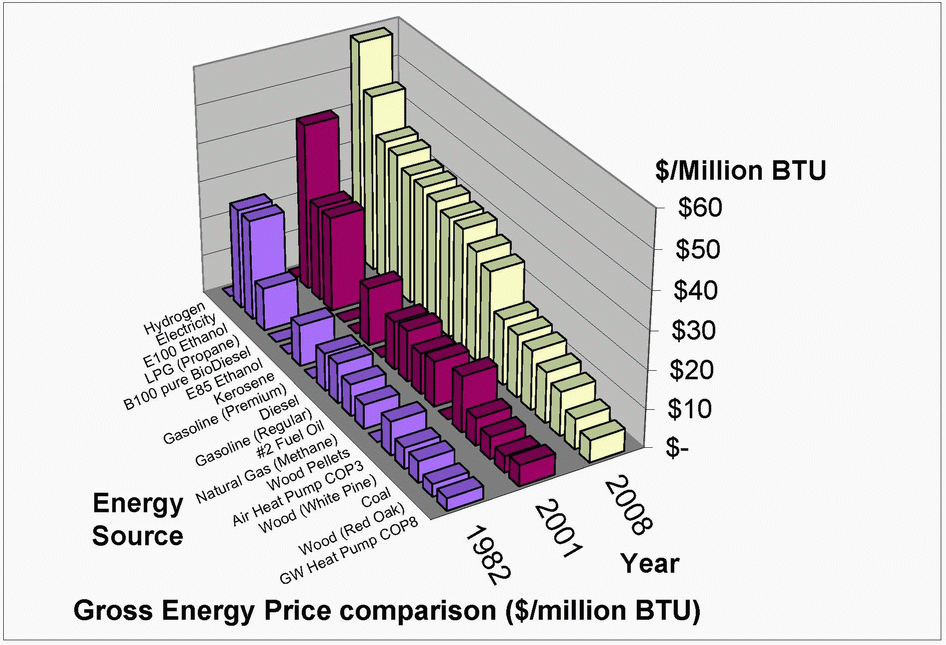
When it comes to how consumers behave with energy prices:
VOLTAGE moves ELECTRICITY
PRESSURE moves FLUIDS
MONEY moves PEOPLE
Most consumers and businesses act on the economics involved. So with this in mind I thought it convenient to see the motive force that determines how people consume energy in May 2008. The graph above shows how the prices over a few time periods I happened to collect data. It is no surprise that all energy prices have been increasing, but the important question is where will they be and what should you do.
How can I heat my home?
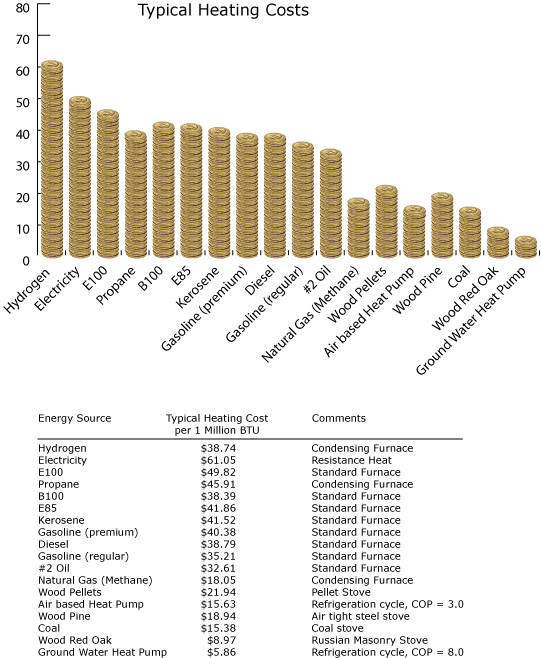
Now this comparison may not be accurate for your prices or your equipment, so I've created AN ENERGY PRICE CALCULATOR to help you calculate a more accurate comparison.
In Northern Russia they use these style wood stoves to survive the winters by burning a handful of sticks every day, and sleping next to the stove.
You can heat a decent size house with this type of stove on just 2 cords of wood per year.
 
So what kind of car should I drive?
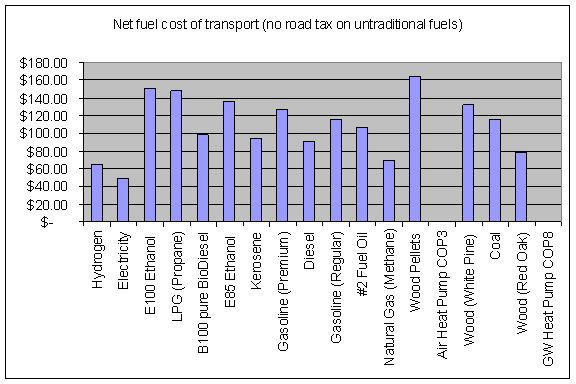
|
Energy Source
|
Efficiency
|
Vehicle efficiency comments
|
|
Hydrogen
|
90%
|
Fuel Cell
|
|
Electricity
|
90%
|
Battery Vehicle
|
|
E100 Ethanol
|
25%
|
Otto Cycle Piston Engine
|
|
LPG (Propane)
|
25%
|
Diesel cycle Piston Engine
|
|
B100 Pure BioDiesel
|
35%
|
Otto Cycle Piston Engine
|
|
E85 Ethanol
|
25%
|
Otto Cycle Piston Engine
|
|
Kerosene
|
35%
|
Diesel Cycle Piston Engine
|
|
Gasoline (Premium)
|
25%
|
Otto Cycle Piston Engine
|
|
Diesel
|
35%
|
Diesel Cycle Piston Engine
|
|
Gasoline (Regular)
|
25%
|
Otto Cycle Piston Engine
|
|
#2 Fuel Oil
|
25%
|
Diesel Cycle Piston Engine
|
|
Natural Gas (Methane)
|
25%
|
Otto Cycle Piston Engine
|
|
Wood Pellets
|
10%
|
Rankine Cycle Steam Engine
|
|
Air Heat Pump COP3
|
N/A
|
Not Applicable
|
|
Wood (White Pine)
|
10%
|
Rankine Cycle Steam Engine
|
|
Coal
|
10%
|
Rankine Cycle Steam Engine
|
|
Wood (Red Oak)
|
10%
|
Rankine Cycle Steam Engine
|
|
GW Heat Pump COP8
|
N/A
|
Not Applicable
|
The data above show some possibilities. Now depending on your vehicle, your efficiency might be different. Gasoline engines only convert about 25% of the fuel energy into shaft work; diesels convert about 35% and thus have an advantage even when the fuels are priced equal based on energy content. Turbines can be over 45% efficient, they can handle high altitude, and with low weight they are a good fit for aircraft. Combined cycle turbines at a stationary power plant can be about 57% efficient with hydrocarbon fuels, and when used in a co-generation mode the waste heat can be put to useful commercial functions like making steam or hot water. Electric vehicle is 80-90% efficient. H2 Fuel cells are in the range of 80-90% efficient. It is inherently difficult to obtain high efficiency for heat engines, as the second law of thermodynamics limits efficiency due to the operational temperatures. Higher efficiencies can be obtained with higher combustion temperatures and lower sink (air) temperatures. External combustion engines like steam engines are a possibility, and a wood powered car is possible, but unlikely unless we can make a much more efficient external combustion engine than the old steam engines. Electric and hydrogen cars will be the future, but only when we convert our power industry to reduce it’s massive CO2 footprint. Regardless of the type of engine it should be obvious that moving an aerodynamic lightweight car and planning for the most essential travel will save fuel, extend your cars life, and reduce your CO2 footprint.
Send mail to rys@R2Controls.com with
questions or comments about this web site.
Last modified: 23 August 2023
|